
By Hustlery | Small Business Growth | South Africa
For years, the digital marketing playbook for South African businesses relied heavily on a silent observer: the third-party cookie.
If you ran a boutique clothing store, you could easily tell Facebook or Google to find users who had recently visited other fashion websites and target them with your ads. You didn’t know who these people were, but the advertising platforms did, tracking their every move across the internet.
That era is coming to a rapid end.
Driven by global privacy shifts (like Apple’s iOS updates and Google’s phasing out of cookies) and strict local legislation in the form of POPIA (The Protection of Personal Information Act), the ability to track users without their explicit consent is disappearing.
For South African SMEs heavily reliant on paid advertising, this loss of tracking data feels like a crisis. But in reality, it’s a massive opportunity to pivot to a far more valuable asset: First-Party Data.
Here is what you need to know about navigating the new privacy landscape and building a sustainable data strategy.
What is First-Party Data?
Simply put, first-party data is the information you collect directly from your audience. They willingly hand it over to you in exchange for value.
- Third-Party Data: Buying an audience or relying on Meta’s algorithm to find people based on their browsing history. You rent this data.
- First-Party Data: An email address, a phone number, a purchase history, or survey answers gathered on your own website. You own this data.
- Zero-Party Data: Data that a customer intentionally and proactively shares with a brand (e.g., preference centre data, purchase intentions, personal context).
When you rely on third-party data, your marketing costs are at the mercy of Silicon Valley algorithms. When you own first-party data, you control the relationship and the distribution.
Why First-Party Data is Your Most Valuable Asset
- Protection Against Advertising Price Hikes
As tracking becomes harder for platforms like Facebook and Google, their advertising becomes less efficient. When ads become less efficient, Cost-Per-Acquisition (CPA) goes up. South African businesses are already experiencing this.
If you have a list of of 10,000 highly engaged email subscribers and phone numbers, you can launch a new service or product for virtually free, completely bypassing the ad algorithms.
- High-Converting Custom Audiences
First-party data doesn’t mean you stop running ads. It means you run them smarter.
By uploading your own customer list (hashed and secured) to Meta or Google, the platforms can create “Lookalike Audiences” based on your actual, paying customers. This remains the most powerful targeting mechanism available today.
- Hyper-Personalized Marketing
If you rely on generalized tracking, your marketing is generalized. If you own the customer profile, you can segment.
If your data shows a customer buys dog food every 4 weeks, you don’t need a Facebook algorithm to catch them; you just need an automated SMS on week 3.
Building a POPIA-Compliant Data Strategy in South Africa
The Protection of Personal Information Act (POPIA) changed the rules of engagement. You cannot simply scrape emails or buy lists. You must earn the data legally and ethically.
- The Value Exchange (Lead Magnets)
People protect their data. They will not give you their email address simply to “join your newsletter.” You must offer a compelling value exchange.
- E-commerce: “Get 15% off your first order.”
- B2B Services: “Download our 2026 Guide to Corporate Tax in SA.”
- Local Services: “Sign up for VIP booking access and cancellation alerts.”
- Radical Transparency and Clear Opt-Ins
Under POPIA, consent must be explicit.
Do not use pre-ticked checkboxes. Make sure your forms clearly state: “By providing your details, you agree to receive promotional emails from us. You can unsubscribe at any time.” Include a visible link to your privacy policy.
- Progressive Profiling
Don’t ask for a life history on the first form. A form asking for Name, Surname, Email, Phone Number, Company, and Budget will have a terrible conversion rate.
Start with just Name and Email. Once they are engaged in your ecosystem, use future interactions (like a preference survey or a gated video) to ask for more details incrementally.
Creating the First-Party Data Ecosystem
To pivot successfully, you need infrastructure. Collecting data manually on spreadsheets is a POPIA nightmare and functionally useless for marketing.
Your goal is a unified ecosystem where:
- Traffic lands on your site.
- A compelling, compliant form captures their details.
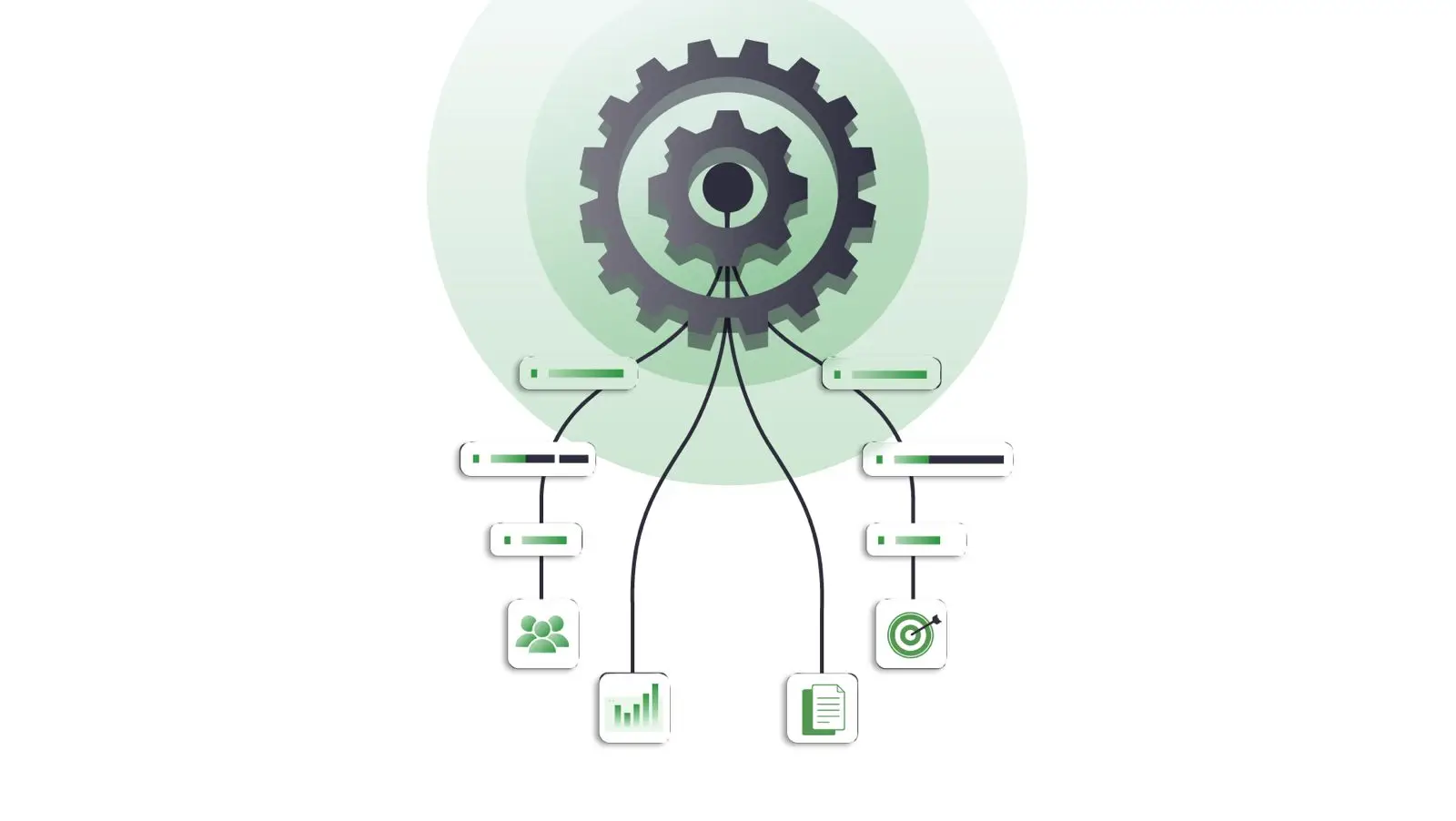
- The data is securely stored in a centralized CRM.
- An automated welcome sequence immediately delivers the promised value and nurtures the relationship.
How Hustlery Secures and Leverages Your Data
Trying to duct-tape different systems together (Mailchimp for email, a spreadsheet for CRM, a WordPress plugin for forms) leads to dropped leads and compliance headaches.
Hustlery provides the all-in-one infrastructure necessary for the first-party data era:
- Centralized, Secure CRM: Store all customer interactions, purchase history, and contact details securely in one place.
- High-Converting Forms & Funnels: Build POPIA-compliant lead capture forms designed to maximize conversions without needing a web developer.
- Audience Segmentation: Easily slice your data. Want to send a campaign only to customers in Johannesburg who haven’t purchased in 6 months? You can do it in three clicks.
- Automated Nurture Sequences: Turn captured data into automated revenue through highly targeted email and SMS sequences.
Frequently Asked Questions
Q: Does POPIA mean I can’t send cold emails to other businesses?
A: POPIA allows for direct marketing to corporate entities under specific conditions (if they haven’t opted out and the communication is relevant to their role), but sending mass cold emails to individuals without prior consent is strictly prohibited. Your safest and most profitable bet is always building an inbound, opt-in list.
Q: Are Facebook Ads dead without third-party cookies?
A: No. But their Broad targeting and first-party data Lookalikes are now the primary drivers of success, replacing the hyper-niche interest targeting of the past.
Q: What is a Privacy Policy and do I really need one?
A: Yes. Every South African website capturing data must have a Privacy Policy accessible via a link outlining exactly how data is collected, stored, and used, in compliance with POPIA.
The Bottom Line
The transition away from third-party tracking is not the end of digital marketing; it’s the end of lazy marketing.
South African SMEs that prioritize building, segmenting, and owning their first-party databases will find themselves insulated against algorithm changes and rising ad costs. Your list is your business. Treat it legally, build it strategically, and monetize it respectfully.
Build, manage, and monetize your first-party database securely with Hustlery.